Key takeaways
- Grommet: easy to hang and slide, but the holes allow a bit of top light.
- Rod pocket: a tighter top, but panels slide less easily.
- Back tab or pleat: look more tailored and close better at the top.
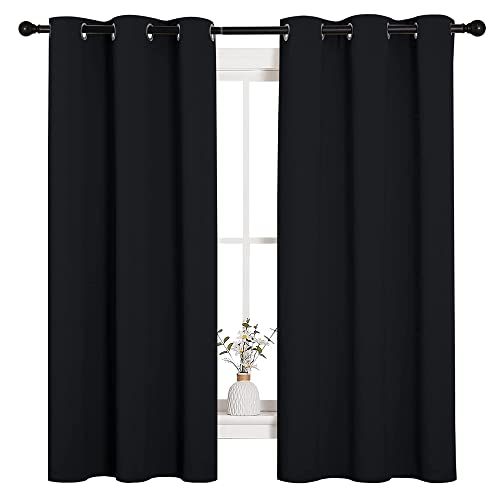
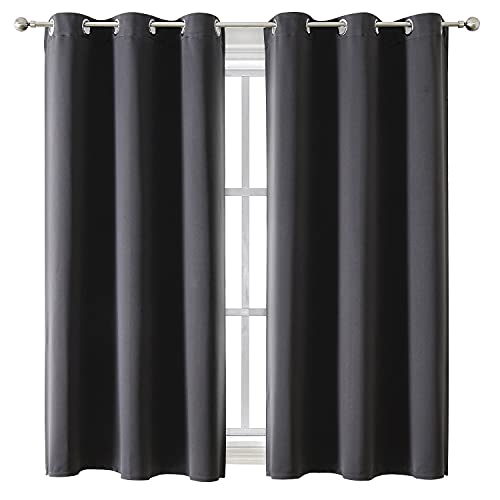
For most bedrooms, triple-weave thermal panels from NICETOWN or Deconovo are the practical answer under $100, and Eclipse is the brand to consider when you want the darkest room and the maker’s own light-blocking claims are what matter most. Whether you actually get a dark room depends as much on how the curtains are hung as on which panel you buy, so this guide covers both the products and the fit.
Our top picks


As an Amazon Associate we earn from qualifying purchases at no extra cost to you.
What “blackout” really means
The word is not regulated, so it covers a wide range. Triple-weave curtains use a dense layered fabric, often with a dark middle layer, to block most light. Lined curtains attach a separate coated lining. Makers and reviewers quote light-blocking figures between roughly 85 and 100 percent depending on the brand, the line and the color, and lighter colors let more light through than dark ones. Treat all percentages as approximate: they are mostly maker claims, and measurement methods differ.
Even a perfect fabric leaks light around the edges. A glowing halo at the top, sides and between panels is normal with a standard rod. Getting close to total darkness means pairing the curtain with the right hardware and width, which is covered below.
At a glance
| Brand | Best for | Key stated details | Limits |
|---|---|---|---|
| NICETOWN triple-weave | Most bedrooms, wide color choice | The maker lists rod pocket and grommet top options, thermal insulation, machine-washable fabric and many sizes; listings cite a triple-weave build and 85 to 99 percent light blocking | Reviewers note light blocking varies by color; some colors let in more light |
| Deconovo thermal blackout | Value and insulation focus | Maker listings describe a silver back coating meant to reflect sunlight and insulate; the standard line is listed at roughly 85 to 98 percent blackout, with a separate total-blackout line | Reviewers describe the fabric as lighter than some rivals |
| Eclipse (Kendall and Absolute Zero lines) | Maximum darkness and energy efficiency | Absolute Zero is marketed as blocking 100 percent of light; the Kendall Thermaback is listed at about 98 to 99.9 percent, and the maker’s own claim is over 99 percent | Listings differ on which lines fit this cap; style choices are narrower |
NICETOWN: the most commonly named all-rounder
NICETOWN turns up often in reviewer roundups as an all-rounder. Its listings describe triple-weave fabric that blocks roughly 85 to 99 percent of light, with the best results in dark colors, and reviewers point to its wide color range. Results differ by shade, so a pale gray or cream panel will not match a navy one.
The maker’s own site lists rod pocket, grommet and back tab styles, thermal insulation and machine-washable fabrics; some lines add a felt lining for noise reduction. Premium lined lines can cost more than ready-made standard panels, so stay with the standard panels when shopping under $100. If you want the darkest result, choose a deep color.
Deconovo: the thermal-minded value pick
Deconovo is usually cast as the value and thermal option. Its silver-backed polyester panels are described by the maker as reflecting sunlight and insulating, and reviewers often call it good value while noting the fabric is a little lighter than some rivals. Lighter fabric drapes easily and washes well, but it can feel less substantial and may let more light through at the seams.
Deconovo suits renters and dorm rooms where cost per panel matters and curtains will be replaced in a few years. Because panels are often sold in pairs, check whether the listed width is per panel or per pair when measuring.
Eclipse: when darkness is the priority
Eclipse’s Absolute Zero line is marketed as blocking 100 percent of light, while the Kendall Thermaback is listed at about 98 to 99.9 percent with thermal energy-efficiency benefits; one reviewer notes lighter Kendall colors do not block as much as darker ones. Eclipse panels tend to be heavy and structured, which helps darkness but limits the soft, flowing look some people prefer. Listings differ on how specific lines fit under $100 for a pair, so confirm the exact product and size before relying on it.
Fit, hanging and light leaks
Measure width and height first
Measure the window or the full rod span, then choose panels with a combined width of roughly one and a half to two times that span so the fabric can fold. Flat, stretched curtains leave gaps. For height, the usual guidance is to hang the rod several inches above the window frame and let the panel reach the sill, a few inches below it or the floor.
Mount wide and high
Extending the rod well beyond the frame on each side and mounting it close to the ceiling reduces side and top leaks. Wraparound or return rods that curve back to the wall can cut light at the edges further.
Heading style
- Grommet: easy to hang and slide, but the holes allow a bit of top light.
- Rod pocket: a tighter top, but panels slide less easily.
- Back tab or pleat: look more tailored and close better at the top.
Layering
A blackout panel over a sheer or a blind gives you flexibility: sheers for daytime privacy and blackouts at night. Adding an inexpensive blackout liner or tension-rod shade inside the frame addresses leaks without replacing the curtains.
Thermal and noise claims
Thermal curtains may reduce drafts and window heat gain, but the effect depends on the window, the room and how tightly the curtain closes. Noise-reducing claims usually describe a modest dampening, not soundproofing. Treat both as bonuses rather than reasons to buy.
Safety and care notes
- Keep fabric clear of heaters: do not let curtains touch or hang over a space heater, radiator or baseboard heater. Follow the heater’s manual for clearances.
- Fire ratings: blackout curtains are not assumed to be flame resistant. Look for flame-retardant statements on the maker’s page only if that matters for your room, such as a dorm with specific rules.
- Cords and children: keep any cords, tie-backs or wands out of reach of babies and toddlers, and follow the maker’s guidance.
- Care: many panels are machine washable on gentle cycles, but coated or foam-backed styles may specify cold wash and low-heat drying. Follow the care tag.
- Odor: coatings may smell on arrival; airing the panels usually helps.
Buying notes for common situations
Nurseries and shift workers
Rooms that need darkness during daytime sleep benefit most from heavier fabric and a rod that extends well past the frame. Add a liner or shade for the edges, and keep any cords out of reach of children.
Renters
Ready-made panels with standard grommet or rod-pocket headings hang on a tension or standard rod without drilling. Check your lease before installing brackets, and keep the original packaging if you may return an unsuitable size.
Large windows and sliding doors
Wide spans may need two pairs or a longer panel set. Look at the listed panel width and length carefully, because ready-made options stop at standard sizes and custom lines from the makers sit above this cap.
Pick this if…
| If you… | Pick | Why |
|---|---|---|
| Want the widest color range and a safe default | NICETOWN | A frequent all-rounder in reviewer roundups |
| Care about insulation and cost | Deconovo | Silver thermal backing, value reputation |
| Need the darkest room possible | Eclipse, in a deep color | Maker markets total light blocking on Absolute Zero |
| Rent and may move often | Ready-made grommet panels | Hang quickly, no custom sizing |
| Sleep during the day | Dark color plus wraparound rod | Edge leaks matter most |
Budget tiers
Budget panels cover most needs with basic triple-weave fabric. Mid-range panels add heavier fabric, better stitching and more textures. Premium and custom curtains add exact sizing, linen-look weaves and soundproofing claims. Under this cap you can reasonably fit a window or two of ready-made curtains; very wide or tall windows may need a second pair or a cheaper blackout liner.
Alternatives
- Blackout cellular shades or roller blinds: mounted inside the frame, they can block side light better than curtains.
- Adhesive or temporary blackout film: a renter-friendly option, though it changes how the window looks in the day.
- A sleep mask: a cheap supplement if your partner wants light.
Frequently Asked Questions
Are blackout curtains completely dark?
Rarely. The fabric can block most light, but edges, gaps between panels and top openings let some through. Use wider panels, a rod mounted high and wide, and a dark color for the best result.
Do darker colors block more light?
Reviewers say they often do. NICETOWN’s own listings say dark colors work best, so a deep shade tends to perform closer to a true blackout than a pale one.
Will blackout curtains lower my energy bills?
Thermal panels may reduce drafts and heat gain, but the effect depends on your windows and climate. Makers describe energy benefits, and it is best to see them as a small extra.
Can I wash blackout curtains?
Many are machine washable, according to maker listings such as NICETOWN’s. Coated linings can be sensitive, so use the care tag’s temperature and avoid high heat.
How wide should the panels be?
Aim for fabric one and a half to two times the width of the rod span. That keeps folds in the fabric and closes the gaps between panels.
Are blackout curtains safe near a heater?
Keep all curtains away from heaters and follow the heater’s manual for clearance. If you are unsure about a room’s fire requirements, ask the building manager or a qualified professional.