Key takeaways
- Learn the best time to unhook garden hoses before a freeze, which temperature warnings matter, and how to protect your faucets and pipes all winter long.
As an Amazon Associate we earn from qualifying purchases.
Every autumn, garden hoses quietly become one of the easiest things to forget and one of the costliest. A hose left connected when temperatures drop can trap water in the faucet and the pipe behind it, and that trapped water expands as it freezes. The result can be a cracked faucet, a split pipe inside the wall, and water damage that only shows up when the weather warms again. Knowing when to unhook is less about picking a date on the calendar and more about reading the forecast and acting before the first hard freeze arrives.
This guide is for homeowners with outdoor faucets, renters responsible for a yard or patio, and anyone storing hoses, sprinklers, or drip lines through winter. It explains which temperatures matter, how to read a freeze warning, and what to check on different hose and faucet setups, so the job gets done once, early enough, and without a surprise repair in spring.
How to Choose
Watch the Overnight Low, Not the Daily High
A mild afternoon tells you nothing about the night ahead, and overnight lows are the number that decides whether water inside a faucet can freeze. Start checking the forecast once autumn nights begin dipping toward the low forties, and treat a predicted low near the freezing mark as your signal to act. A hose full of water loses heat quickly after sunset, especially a hose lying on cold concrete or bare soil. If the forecast shows several nights in a row near freezing, unhook before the first of them rather than gambling on the warmest night. The daytime high matters for comfort, so plan the job for a mild afternoon and let the overnight low set the deadline.
Learn the Difference Between Frost and a Hard Freeze
Frost and a hard freeze are not the same threat, and confusing them leaves hoses connected too long. A light frost forms when surfaces cool just below freezing for a short time, while the air above stays slightly warmer, and it threatens tender plants before plumbing. A hard freeze means air temperatures stay well below freezing for several hours, long enough for water inside a faucet, hose, or shallow pipe to turn solid. Forecasters flag a freeze watch first, then a freeze warning when the cold is more certain, and a hard freeze warning when it will be deep and lasting. Treat a freeze warning as your deadline, and a hard freeze warning as a sign the job is overdue.
Match Timing to Your Hose and Faucet Setup
Not every outdoor water setup faces the same risk on the same night, so timing depends on what is connected. A standard faucet with a hose attached is the most exposed arrangement, because the hose holds water right against the valve and blocks the faucet from draining. A frost-free faucet, which shuts water off deeper inside the wall, is safer but still needs the hose removed, since a connected hose keeps water trapped in the stem and defeats the design. Hoses feeding drip lines, soaker hoses, and timers hold water in more places and drain slowly, so they deserve earlier attention. Walk around the house, count every faucet, and unhook the most exposed ones first.
Give Yourself a Buffer Before the First Freeze
The first freeze of the season rarely arrives exactly when the forecast first mentions it, and a cold snap can arrive a week early in an unsettled autumn. That is why a buffer matters more than a precise date. Pick a personal cutoff, such as the first week the overnight low is predicted to fall below forty degrees, and make that the weekend the hoses come off. A buffer also covers the practical problems that cause delays, like a stuck connector, a missing storage spot, or a faucet that needs a washer replaced before it will shut fully. Finishing early costs one afternoon, while finishing late can cost a plumber visit and a wall repair.
Step-by-Step: Unhooking Hoses Before a Freeze
Unhooking a hose is a short job when it is done in the right order, and the order matters because each step protects the next one. Start on a dry afternoon, gather a bucket and a rag, and work faucet by faucet so nothing is missed.
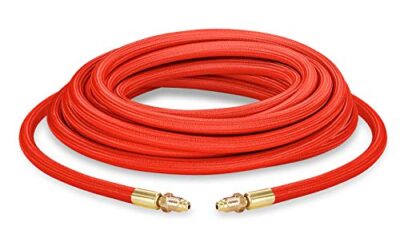
First, turn off the water at each outdoor faucet and open any spray nozzle or trigger so pressure can escape. Next, unscrew the hose from the faucet, turning the coupling by hand and using pliers only gently if it is stuck, since forcing a corroded fitting can damage the faucet threads. Then hold one end of the hose up and walk toward the other end, letting gravity push the water out, and repeat from the other direction so low spots and coils drain fully.
After the hose is empty, disconnect any splitters, timers, wands, and sprinklers, drain each of them the same way, and check small parts such as washers and screens for cracks or grit. Coil the hose loosely in wide loops rather than tight kinks, and store it in a garage, shed, or covered bin where it stays out of standing water and off frozen ground. Leave the outdoor faucet open for a short while so any remaining water can drain out, then close it and cover it if you use faucet covers. Finally, if the house has an indoor shut-off valve for the outdoor line, close it and open the outdoor faucet briefly to let the pipe between the two drain.
What to Do After the Hoses Are Unhooked
Taking the hoses off is the main job, but a few follow-up checks turn a quick task into real winter protection. Walk the yard once more and look for anything still holding water: a forgotten splitter on a side faucet, a sprinkler staked in a flower bed, or a drip line snaking through a vegetable patch. Each of those can freeze, crack, and leak next spring, and each takes only a minute to disconnect and drain now.
Check the faucets themselves for slow drips, since a faucet that will not shut fully can keep feeding water into a pipe that should be dry all winter. Look at the wall around each faucet for stains, soft spots, or peeling paint, which can signal a leak that started during an earlier cold snap. If the house has a basement or crawl space, glance at the pipes feeding the outdoor faucets and make sure insulation is in place and no joints are weeping. Put a reminder on the calendar for the first warm stretch of spring to reconnect slowly, checking each faucet for leaks before the hose goes back on. That spring check takes minutes and catches damage while it is still small.
Which One Fits Your Situation
You Live Where Freezes Arrive Suddenly
In places where a warm week can flip to a hard freeze overnight, waiting for a forecast warning is too slow. Unhook hoses as soon as overnight lows start approaching the low forties, even if the days still feel warm. Keep the hoses coiled near the faucet in a shed or garage so reconnecting for a warm spell is easy, and check the forecast every evening during the changeable weeks of autumn.
You Water Late Into Autumn
Gardeners who water new plantings, fall lawn seed, or late vegetables often need hoses well into the cold season. In that case, unhook and drain the hose after each watering session once nights turn cold, rather than leaving it connected between uses. A quick disconnect after watering keeps the faucet safe, and reconnecting the next morning takes less than a minute when the hose is stored close by.
You Have Frost-Free Faucets
Frost-free faucets reduce the risk, but they do not remove the need to unhook. The long stem shuts water off inside the warm part of the wall, yet a connected hose traps water in that stem and can still split it in a hard freeze. Remove every hose, splitter, and timer before the first freeze warning, then leave the faucet closed for winter. The faucet design is a backup, not a substitute for unhooking.
You Manage a Rental or a Second Home
If the house will sit empty or a tenant handles the yard, timing depends on someone actually being there to do the job. Schedule the unhooking for the last visit before cold weather sets in, and put it in writing with a date so it is not left to memory. Photograph each faucet after the hoses are off, note the location of indoor shut-off valves, and confirm the work was done before the first freeze warning arrives.
Common Mistakes
- Waiting for the first freeze warning: a warning means the cold is already nearly here, and a busy evening or a stuck fitting can leave the job undone when temperatures fall.
- Unhooking the hose but leaving the faucet full: a disconnected hose helps only if the faucet and the pipe behind it can drain, so open the faucet briefly after removing the hose.
- Forgetting a second or side faucet: side yards, garden taps, and garage spigots are easy to miss, and a single forgotten connection can cause the very damage the rest of the work was meant to prevent.
- Storing a hose full of water: a hose coiled away with water still inside can freeze, split, and leak next spring, so drain it by walking its length before putting it away.
- Leaving timers and splitters attached: timers, splitters, and spray wands hold small pockets of water that freeze and crack easily, and their plastic parts are often the first to fail in cold weather.
Frequently Asked Questions
When is the best time to unhook hoses before a freeze?
Unhook hoses before the first night the forecast calls for temperatures near or below freezing, and earlier if several cold nights are expected in a row. A practical rule is to finish the job when overnight lows first approach the low forties. That buffer covers an early cold snap, a forecast that shifts colder overnight, and a stuck fitting that slows the work down.
Can I leave a hose connected if the forecast only calls for frost?
A light frost rarely damages plumbing, but it is still a sign that freezing nights are close, and frost forecasts can turn into freeze warnings with little notice. If frost is in the forecast, use that evening to unhook and drain the hoses rather than waiting for a colder night. The job takes only a few minutes, and doing it at the first frost removes the risk entirely.
Do frost-free faucets mean I can leave hoses attached?
No. A frost-free faucet shuts water off deeper inside the wall, but a connected hose traps water in the stem between the shut-off point and the outlet. That trapped water can freeze and split the stem, which is exactly the damage the faucet is designed to prevent. Always remove hoses, splitters, and timers from frost-free faucets before the first freeze.
What should I do if a freeze arrives before I unhook the hoses?
Unhook them as soon as temperatures rise above freezing and the fittings can turn without forcing. Do not use a flame or boiling water on a frozen faucet, since sudden heat can crack metal and damage seals. Once the hose is off, drain it, check the faucet for drips or cracks, and watch the wall and floor inside for damp spots over the next few days.