Key takeaways
- Find the best interior wall paint sprayer for smooth, even coverage. Compare sprayer types, pressure, tips, masking and cleanup before painting your rooms.
Painting interior walls with a sprayer is not a choice between brands. The real decision is whether the machine can push unthinned latex through a tip in an even fan and hold that fan across a full wall, without filling the room with drifting mist. A sprayer that is too weak leaves stripes and thin patches that show in daylight. One that is too aggressive for a closed room coats the floor, the trim and everything you meant to protect.
This guide is for homeowners repainting several rooms, renters giving a tired space a fresh coat, and first-time buyers who want a sprayer that handles interior walls without a steep learning curve. Every product here was chosen from its Amazon product page, using the specifications and included parts listed there, so you can compare machines on what the maker actually states rather than on marketing claims. It also covers tip size and cleanup, so your first room looks like the work of someone who has done it before.
Quick Picks
As an Amazon Associate we earn from qualifying purchases
| Product | Best for | Key spec from title |
|---|---|---|
| Graco Magnum 262800 X5 Stand Airless Paint Sprayer | Whole-home interior repaints | Stand airless sprayer with 3000 PSI maximum pressure |
How to Choose
Airless or HVLP for interior walls
Airless sprayers and HVLP sprayers paint walls in different ways. An airless unit forces paint through a small tip at high pressure, so it covers a broad wall fast and handles unthinned latex without much fuss. That speed brings more overspray, so masking matters more indoors. An HVLP sprayer uses a turbine and a larger volume of air at lower pressure, giving a softer spray and finer control on trim and doors, but it works more slowly across a big flat wall and some models need the paint thinned first. For whole rooms, airless usually wins on pace. For a single accent wall or detailed work, HVLP control can be worth the slower pass.
Pressure, flow and tip size
Pressure, flow and tip size decide how the paint lands, and they work as a set. Maximum pressure tells you how hard the sprayer can push thick latex, while flow rate tells you how much paint it can move in a minute, which sets the pace. The tip number carries two facts at once: the first digit hints at the fan width and the last two digits give the orifice size. A 515 tip suits broad wall surfaces because it throws a wide fan, while a smaller tip gives a narrower pattern for trim. Adjustable pressure matters indoors because it lets you slow the spray near edges and open it up across open wall.
Paint supply: cup, tank or bucket feed
How the sprayer holds paint shapes the whole job, especially indoors where stopping mid-wall leaves a visible seam. A cup-fed handheld unit carries a small amount of paint on the gun, so it stays light and nimble but needs refills every few minutes on a large wall. A tank-fed stationary sprayer holds more paint in a hopper on the unit, which suits a room or two without constant refills. A bucket-fed sprayer draws through a suction tube straight from a one or five gallon container, so you can keep spraying across several rooms with no pouring at all. For multi-room repaints, bucket feed saves the most time.
Overspray, masking and cleanup
Indoor spraying rewards preparation more than any other kind of painting, because overspray drifts onto everything the fan touches. Mask the floor with drop cloths, tape off trim, outlets, windows and fixtures, and remove or cover furniture before the first pass. Ventilation helps too: open a window or run a fan so the fine mist clears instead of settling back onto wet paint. Cleanup is the other half of the decision. A sprayer that flushes with a garden hose adapter or a simple water flush saves real time after the job, while one with many small parts takes longer to strip down and dry before storage.
The 1 Best Options
Graco Magnum 262800 X5 Stand Airless Paint Sprayer

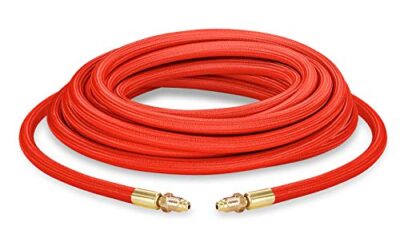
The Graco Magnum X5 is a stand-mounted airless sprayer built for DIY homeowners tackling medium jobs, and it fits interior wall work well because it draws paint straight from the bucket. Its stainless steel piston pump pushes unthinned latex at up to 3000 PSI through the included RAC IV 515 tip, which lays down a wide fan suited to broad wall surfaces. Adjustable pressure lets you slow the flow near trim and open it up across open wall. The 25-foot hose gives enough reach to work a room without dragging the stand constantly, and the unit supports up to 75 feet of hose for larger spaces.
Specs
- Brand: Graco
- Model name: X5, model number 262800
- Maximum pressure: 3000 PSI
- Flow rate: 0.27 GPM
- Maximum tip size: 0.015
- Included: SG2 metal spray gun, RAC IV 515 Switch Tip, 25 ft Duraflex paint hose
- Maximum hose length: 75 ft
- Paint supply: flexible suction tube draws from 1 or 5-gallon bucket
- Project capacity: up to 10 gallons
- Power source: electric
- Warranty: one year warranty against manufacturer defect
Best for: Whole-home interior repaints and multi-room projects where bucket-fed spraying saves refills.
Watch out for: It is a stand unit with a hose to manage, so plan floor space and masking before the first pass, and check the listing again before buying, since availability and included parts can change.
Which One Fits Your Situation
Repainting several rooms at once
Pick the Graco Magnum X5. Its suction tube draws from a one or five gallon bucket, so you can move room to room without stopping to pour paint into a cup, and its ten-gallon capacity covers a multi-room repaint in one job. The 25-foot hose reaches across a room without dragging the stand, and adjustable pressure keeps a fan on walls. Set the stand in a hallway and work outward, and you will spend the day painting instead of refilling.
Refreshing one bedroom over a weekend
Pick the Graco Magnum X5. Even a room benefits from a sprayer that handles unthinned latex, because the wide 515 fan covers a wall in few passes and adjustable pressure keeps the coat even near the ceiling line. Setup takes minutes: drop the suction tube in the bucket, prime the pump and test the fan on cardboard. Cleanup takes longer than washing a roller, so plan masking and the flush as part of the weekend, not as an afterthought.
Spraying indoors for the first time
Pick the Graco Magnum X5. First-time sprayers need forgiveness, and this unit gives it through a pressure dial rather than fixed settings: turn the pressure down while you learn the gun movement, then raise it as your passes get steadier. The included 515 tip is a starting point for walls, and the Pump Armor storage fluid and PowerFlush adapter in the box make cleanup less intimidating. Practice on spare board, keep the gun moving, and learning stays short.
Walls, ceilings and trim in a single project
Pick the Graco Magnum X5. A refresh means changing pace between surfaces, and adjustable pressure plus a hose reaching up to 75 feet lets one machine cover all of them. Use the fan for walls and ceilings, then slow the pressure and work closer for trim, or swap to a smaller tip for fine lines. The stand stays on the floor while gun and hose reach, which keeps work steady across ceilings that a handheld cup-fed sprayer would make tiring.
Common Mistakes
- Skipping the masking: overspray drifts further indoors than most first-time sprayers expect, landing on floors, trim, outlets and light fixtures. Tape off edges, cover the floor fully and remove or sheet furniture before you load paint, because wiping dried overspray off a surface takes far longer than masking it did.
- Holding the gun too close or moving too slowly: a sprayer lays paint fast, so lingering on one spot builds a heavy coat that runs and sags as it dries. Keep the gun about a foot from the wall, move at a steady pace, overlap each pass by about half the fan width, and trigger the gun at the start of each pass rather than mid-wall.
- Never testing the fan pattern first: pressure, tip and paint thickness all change how the fan looks, and the wall is the wrong place to find out. Spray a test pattern on cardboard or spare board, adjust the pressure until the fan is even with no heavy edges, and only then move to the wall.
- Using the wrong tip for the coating: a tip made for thin stain will starve thick latex and leave a patchy coat, while a tip that is too large floods the wall. Match the tip size to the coating on the listing, start with the tip included in the box, and change tips when you switch from walls to trim.
- Leaving paint in the sprayer after the job: latex dries inside the pump, hose and tip faster than most people expect, and a clogged tip or stuck pump can end a sprayer. Flush with water right after painting, clean the tip and filter, run storage fluid through the pump if the maker includes it, and store the unit dry.
Frequently Asked Questions
Do I need to thin paint before spraying interior walls?
It depends on the sprayer. Airless models like the Graco Magnum X5 are built to spray unthinned latex straight from the bucket, which is one reason they suit interior walls. Some HVLP models need paint thinned first to flow through the turbine and nozzle. Always check the listing and the manual for the model you buy, and test the spray pattern on cardboard before touching the wall.
How much masking do I really need indoors?
More than you think. Overspray drifts in still indoor air and settles on floors, trim, outlets, windows and furniture, even in the next room if doors are open. Cover the floor completely, tape trim and outlets, close doors to rooms you are not painting, and remove small items from the room. Masking takes an hour and saves a long cleanup.
Can one sprayer paint walls, ceilings and trim?
Yes, with the right setup. A sprayer with adjustable pressure and a hose long enough to reach the ceiling can cover all three, using a wide tip for walls and ceilings and a smaller tip or lower pressure for trim. The trade-off is time: swapping tips and re-masking between surfaces adds steps, so many painters spray the walls and ceilings first, then finish trim by hand.
How long does cleanup take after spraying a room?
Plan on thirty minutes or more for a full flush. Run water through the pump and hose until it runs clear, clean the tip and filter, and wipe down the gun before paint dries inside it. Models with a hose adapter for flushing make this faster. Never leave paint sitting in the sprayer overnight, since dried latex inside the pump is hard to clear.