Our Short List of 3

All 5 Picks at a Glance
| Product | Specs | Action |
|---|---|---|
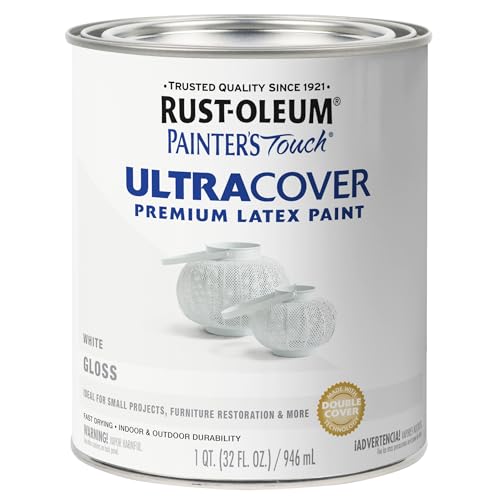 Rust-Oleum Painter’s Touch Latex Paint, Gloss White | Check price on Amazon | |
 Krylon COLORmaxx Acrylic Latex Brush-On Paint, Gloss Pewter Gray | Check price on Amazon | |
| Majic Paints Diamond Hard Interior and Exterior Satin Paint, Midnight Wave | Check price on Amazon | |
 Diamond Brite Oil-Based Enamel Paint, Battleship Gray | Check price on Amazon | |
 Rust-Oleum Painter’s Touch Latex Paint, Gloss Navy Blue | Check price on Amazon |
Key takeaways
- Find the best paint for a wood swing set, with durable exterior wood paints that resist sun, rain, and daily play, plus prep and safety tips.
A wooden swing set lives a harder life than almost any other piece of backyard woodwork. It stands in full sun through the summer, takes rain and frost through the winter, and gets climbed on, kicked, and gripped by small hands every day in between. Ordinary interior paint cannot cope with that cycle. It chalks, peels, and flakes, and once the film breaks, moisture reaches the bare wood underneath and the boards begin to soften and splinter.
The right exterior paint does three jobs at once: it seals the wood against water, it holds its color under ultraviolet light, and it cures to a smooth, hard surface that is comfortable to touch and easy to wash clean. This guide compares five brush-on exterior paints that suit wooden swing sets, explains how to choose between water-based acrylic and oil-based enamel formulas, and walks through the preparation steps that decide whether a fresh coat lasts one season or several years.
As an Amazon Associate, we earn from qualifying purchases.
How to Choose Paint for a Wood Swing Set
Start with the formula. Water-based acrylic latex paints are the most popular choice for play equipment because they dry quickly, clean up with soap and water, and stay flexible as wood expands and contracts with the seasons. That flexibility matters on a swing set, where joints move slightly under load and a brittle film would crack along the seams. Oil-based enamels cure harder and shrug off scuffs and abrasion well, which suits ladder rungs and climbing holds, but they take longer to dry, need mineral spirits for cleanup, and should be fully cured before children use the set.
Next, look at the finish. A gloss film sheds water readily, wipes clean after muddy play, and tends to resist fading longer than a flat finish. Satin gives a softer look that hides brush marks and surface flaws better, which helps on older sets. Flat paints are best avoided on play equipment because they absorb grime and are harder to wash.
Most swing sets need one to two quarts for two full coats, depending on frame size and whether the set includes a fort or climbing wall. Quart cans are easy to handle on a ladder and reduce waste, while a gallon only makes sense when a fence or playhouse is being painted at the same time. Preparation matters as much as the paint: sand back to sound wood, wash away dirt and mildew, and prime bare patches so the topcoat has a surface it can grip.
Finally, think about cure time. A paint that feels dry in half an hour is not fully cured, and a set should not go back into service until the film has hardened enough to resist chains and shoe soles. Follow the cure guidance on the can, and choose lighter colors for seats and platforms in hot climates.
Rust-Oleum Painter’s Touch Latex Paint, Gloss White
Rust-Oleum Painter’s Touch in Gloss White is a water-based acrylic latex paint sold in a one-quart can, and it is the most straightforward recommendation in this guide for a classic, bright swing set finish. The listing describes the formula as low odor, resistant to chips, and suitable for a range of indoor and outdoor surfaces including wood, metal, plaster, masonry, and unglazed ceramic. That versatility helps on a typical set, where the frame is wood but the brackets, bolt caps, and swing hangers are metal.
The gloss finish produces a smooth surface that hoses down easily after muddy play, and white reflects sunlight, so seats and platforms stay cooler on bright afternoons. Application is forgiving: the listing gives coverage of up to 120 square feet per quart and a dry-to-touch time of about 30 minutes, so a morning first coat can usually be recoated the same day. Two thin coats over sanded, primed bare wood give a more even gloss than one heavy coat, which can sag on vertical posts.
Who It Suits
This paint suits owners who want a clean, traditional white set and a fast, low-odor job with simple water cleanup. It is a strong fit for repainting a sound existing coating, for mixed wood and metal structures, and for anyone painting near planted beds or play areas who prefers a water-based formula. Owners chasing a deep, saturated color rather than a neutral finish should look at the tinted options below instead.
Krylon COLORmaxx Acrylic Latex Brush-On Paint, Gloss Pewter Gray
Krylon COLORmaxx is an acrylic latex brush-on paint made for indoor and outdoor use, and the Pewter Gray gloss version offers a modern, understated alternative to the bright primary colors often used on play equipment. A gray frame blends calmly into gardens and patios, coordinates well with neutral outdoor furniture, and hides the dust and scuff marks that show up quickly on white paint between cleanings.
The listing gives coverage of up to 100 square feet per quart, enough for two coats on a compact to mid-sized frame, with a second quart advisable for larger sets. As an acrylic latex, it cleans up with soap and water, and the label highlights easy application and a smooth finish on wood, metal, and more. Gray absorbs more heat than white but less than black or deep navy, a comfortable trade-off in most climates, and the gloss sheen helps the film shed rainwater. Apply it over exterior primer on bare wood, and keep coats thin on steps and platforms, where standing water tests any coating hardest.
Who It Suits
This paint suits owners who want the set to sit quietly in a landscaped yard, and anyone coordinating it with gray decking or fencing. Families who want a bright, playful color scheme may prefer the blue or deep-toned paints elsewhere in this guide.
Majic Paints Diamond Hard Interior and Exterior Satin Paint, Midnight Wave
Majic Paints Diamond Hard is a water-based acrylic enamel in a deep blue shade called Midnight Wave, finished in satin rather than gloss. The listing describes a diamond-hard, smooth satin film with strong color retention, and it positions the paint as an all-purpose coating for wood, metal, brick, drywall, glass, steel, tile, vinyl, aluminum, most plastics, copper, and masonry. For a swing set, the relevant surfaces are the wood frame and the metal hardware, and both are on that list.
The standout claim in the listing is adhesion: the paint is described as sticking to surfaces without sanding or priming, which is useful on an assembled set where sanding every corner and bolt recess is slow work. A light scuff sand and a wash still remain worthwhile, because no topcoat adheres well to loose fibers, chalk, or mildew. The satin sheen hides brush strokes and the small dents older equipment collects, and gives deep blue a rich, low-glare look. The trade-off is that satin is slightly less slick to wash than gloss, so muddy steps may need a soft brush rather than a quick rinse.
Who It Suits
This paint suits owners of older or heavily used sets, where a forgiving satin finish and strong adhesion matter more than a mirror gloss, and anyone planning a deep blue color scheme. It is also a sensible pick for accent work, such as painting a fort, a climbing wall, or trim boards in a contrasting shade while a plainer color covers the main frame. Owners who want the easiest possible wash-down surface should compare the gloss options first.
Diamond Brite Oil-Based Enamel Paint, Battleship Gray
Diamond Brite takes the opposite approach to the water-based paints above. This is an oil-based enamel in Battleship Gray with a high-gloss finish, listed for interior and exterior use on wood, metal, and masonry. Oil enamels cure to a notably hard film, and that hardness is valuable exactly where a swing set takes the most punishment: ladder rungs, grab handles, platform edges, and the rails children haul themselves up on hand over hand.
The listing describes the finish as resisting rust, scuffs, fading, and peeling, and gives coverage of approximately 300 square feet per gallon, so plan on two quarts for a full mid-sized set in two coats. Oil paint also levels out smoothly as it dries, leaving fewer brush marks than a fast-drying latex, although the longer dry time means keeping dust and leaves away from the surface for longer. The trade-offs are real: cleanup requires mineral spirits, ventilation matters, and the film must fully cure before use. For owners who repaint infrequently and want the hardest film on high-contact parts, those compromises are often worth making.
Who It Suits
This paint suits owners who prioritize a hard, scuff-resistant film on ladders, rungs, and other high-contact parts, and who are comfortable with slower drying and solvent cleanup. It is a good match for sets in harsh, wet climates where a tough enamel barrier is welcome. Families who need the set back in use quickly, or who strongly prefer low-odor water-based products, should choose one of the acrylic options instead.
Rust-Oleum Painter’s Touch Latex Paint, Gloss Navy Blue
The second Rust-Oleum entry in this guide is the same Painter’s Touch latex line in Gloss Navy Blue, a deep, classic color that pairs naturally with white or gray accents and with the molded plastic seats and slides fitted to many wooden sets. Like the white version, it is a water-based acrylic formula listed as low odor and chip resistant, for use on wood, metal, plaster, masonry, and unglazed ceramic, indoors and outdoors.
Deep colors bring two points worth planning around. Navy shows excellent hide over older, darker coatings and patched repairs, so it forgives a set that has already lived through one or two finishes. Dark films also absorb more solar heat and can show fading sooner than pale colors, so use navy for the frame, posts, and fort panels, and keep seats and handholds in a lighter shade. Handling matches the white version, with coverage of up to 120 square feet per quart and a dry-to-touch time of about 30 minutes in the listing. Stir deep colors thoroughly during the job, because navy pigments settle quickly and a poorly stirred can leaves streaky color on long beams.
Who It Suits
This paint suits owners who want a bold, traditional color with the easy handling of a water-based latex, and anyone repainting a set whose existing finish is dark or uneven. It works especially well as the main frame color in a two-tone scheme with white trim. Owners in very hot, sunny locations should weigh the heat and fading points above and consider a lighter color for surfaces children sit and stand on.
Frequently Asked Questions
Does a wood swing set need primer before painting?
Bare wood, weathered gray wood, and patched or stained areas benefit from an exterior primer before the topcoat, because primer seals the surface, improves adhesion, and stops uneven absorption from leaving dull patches in the finish. Sound existing paint that has been washed and lightly sanded can often be recoated directly. A few paints in this guide are listed as adhering without sanding or priming, but even those last longer over clean, dull, dry wood, so a wash and a scuff sand are never wasted effort.
How many coats of paint does a swing set need?
Two coats is the standard recommendation for exterior wood that lives outdoors year-round. The first coat seals and bonds to the prepared surface, and the second builds the film thickness that resists ultraviolet light, rain, and abrasion from hands, shoes, and swing hardware. One coat over bare wood usually looks thin and fails early, while a third coat is only worth adding on horizontal surfaces such as steps and platforms that hold water and take constant foot traffic.
How long should paint cure before children use the swing set?
Dry to the touch is not the same as cured. Water-based paints may feel dry within a few hours, but the film keeps hardening afterward, and oil enamels take longer still. Keep the set out of service until the cure window on the can has fully passed, and check that no tackiness remains where chains and seats make contact. Using a set too early leaves marks in soft paint and wears through the film where protection matters most.
Can spray paint be used instead of brush-on paint on a swing set?
Spray paint can work for small parts, touch-ups, and hardware. For a whole frame, brush-on paint is usually better: it builds a thicker film per coat, wastes less paint to overspray, and works coating into joints, bolt holes, and end grain where moisture enters first. A brush also avoids drift onto slides, ropes, and nearby plants.
Final Verdict
For most families, a water-based acrylic latex is the right starting point, and Rust-Oleum Painter’s Touch in Gloss White is the simplest all-round pick: fast drying, low odor, easy to wash, and cool in summer sun. Krylon COLORmaxx in Pewter Gray suits a calmer, modern look, while Majic Diamond Hard in Midnight Wave brings a forgiving satin finish to older sets. Where hardness matters most, Diamond Brite oil-based enamel earns its slower application with a tough high-gloss film, and the navy Painter’s Touch rounds out the list for a deep traditional color. Whichever can is chosen, preparation decides the result: wash, sand, prime bare patches, apply two thin coats, and let the film cure fully before the first swing.
Product and ASIN Reference
| Product | ASIN |
|---|---|
| Rust-Oleum Painter’s Touch Latex Paint, Gloss White | B000BZX6TQ |
| Krylon COLORmaxx Acrylic Latex Brush-On Paint, Gloss Pewter Gray | B07WG9VPNC |
| Majic Paints Diamond Hard Interior and Exterior Satin Paint, Midnight Wave | B075HT46R5 |
| Diamond Brite Oil-Based Enamel Paint, Battleship Gray | B09QNVLNS7 |
| Rust-Oleum Painter’s Touch Latex Paint, Gloss Navy Blue | B000LNSKZI |